Advanced Mold Remediation Technology for Rancho Santa Fe Businesses
Mold doesn’t wait, and neither should your response. For Rancho Santa Fe businesses, outdated remediation methods can mean recurring problems and costly downtime. We leverage the latest advancements in mold detection, containment, and eradication to deliver lasting solutions tailored to our coastal climate and commercial spaces.
Why Traditional Mold Removal Falls Short in Commercial Spaces
Old-school bleach sprays and surface scrubs only address visible mold, leaving hidden colonies in wall cavities, HVAC systems, or subflooring. In commercial buildings, this often leads to cross-contamination and rapid regrowth.
Rancho Santa Fe’s mild, humid winters and occasional water intrusion from coastal storms create ideal conditions for mold to thrive undetected. Standard approaches miss the root cause: excess moisture.
Bleach kills surface mold but doesn’t penetrate porous materials like drywall or wood. Worse, it can actually increase moisture content, feeding future growth.
Next-Gen Detection: Beyond the Naked Eye
Thermal imaging cameras reveal hidden moisture pockets behind walls or under flooring—critical for early intervention in office buildings, retail spaces, or restaurants where downtime equals lost revenue.
Air quality testing with spore traps and PCR analysis identifies mold types and concentrations, even in areas like attics or crawl spaces where visual inspections fail. This data drives targeted remediation plans.
For businesses in Solana Beach or Encinitas, where older structures are common, these tools uncover chronic issues before they escalate into full-blown infestations.
Containment and Air Filtration: The First Line of Defense
Negative air pressure systems paired with HEPA air scrubbers prevent spores from migrating to clean areas during remediation. This is non-negotiable in multi-tenant buildings or healthcare facilities.
Physical barriers, like 6-mil polyethylene sheeting, isolate work zones. In high-traffic commercial spaces, we often add decontamination chambers to ensure no spores hitch a ride on workers or equipment.
| Method | Best For | Limitation |
|---|---|---|
| Negative Air Pressure | Large open spaces, healthcare | Requires sealed environment |
| Physical Barriers | Small/medium zones, offices | Limited to static areas |
| Decontamination Chambers | High-risk areas, hospitals | High setup cost, space-intensive |
Advanced Remediation Techniques for Stubborn Infestations
For porous materials like drywall or insulation, we use antimicrobial fogging or ozone treatments to reach spores in inaccessible areas. These methods are especially effective in Del Mar’s older, wood-framed commercial properties.
Soda blasting or dry ice blasting removes mold from surfaces like concrete or metal without adding moisture—ideal for warehouses or industrial spaces in Escondido.
Encapsulation sealants create a mold-resistant barrier on treated surfaces, a smart investment for businesses in Carmel Valley where humidity fluctuates seasonally.
Antimicrobial fogging uses ultra-fine particles to penetrate cracks and crevices, while spraying coats surfaces directly. Fogging is better for large, open areas; spraying works for targeted spots.
Moisture Control: The Key to Long-Term Prevention
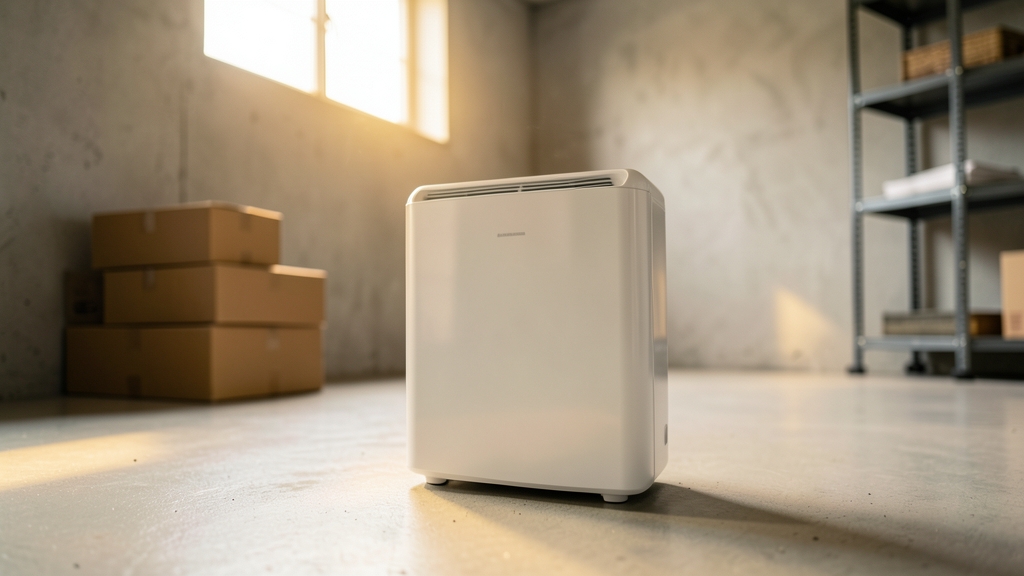
No remediation is complete without addressing the moisture source. We install commercial-grade dehumidifiers, improve ventilation in attics or crawl spaces, and recommend vapor barriers for properties near the coast.
In Rancho Santa Fe, irrigation overspray or poor grading can lead to water intrusion. We collaborate with water damage restoration teams to fix leaks, repair roofing, or upgrade drainage systems.
For basements or below-grade spaces, interior or exterior waterproofing may be necessary. This is common in older buildings in Encinitas or Solana Beach, where groundwater is a persistent issue.
Post-Remediation Verification: Ensuring Success
Clearance testing with air and surface samples confirms that spore levels are within normal ranges. This step is critical for businesses to reopen safely and avoid liability.
We provide detailed reports with before-and-after comparisons, including photos, moisture maps, and lab results. This documentation is invaluable for insurance claims or property transactions.
Follow-up inspections 30–60 days post-remediation catch any lingering issues. In our climate, seasonal humidity shifts can reveal hidden problems.
Industry-Specific Solutions for Rancho Santa Fe Businesses
We prioritize prompt action to prevent health code violations. Our teams work after hours to minimize disruption, using containment strategies tailored to kitchens and dining areas.
Healthcare facilities: Stringent protocols, including HEPA vacuuming and antimicrobial treatments, meet OSHA and CDC guidelines. We often coordinate with infection control teams.
Retail and offices: Flexible scheduling and phased remediation keep businesses open. For multi-story buildings, we address HVAC systems to prevent cross-floor contamination.
Why Local Expertise Matters
Rancho Santa Fe’s unique microclimate—coastal humidity, inland heat, and seasonal Santa Ana winds—demands tailored solutions. Generic remediation plans from out-of-area companies often miss local nuances.
We understand the building codes, architectural styles, and common moisture issues in areas like Carmel Valley or Del Mar. This local knowledge translates to faster, more effective remediation.
Our team also stays current with California’s evolving regulations on mold disclosure and tenant notifications, protecting your business from legal risks.
Choosing a Local Mold Remediation Partner
- Licensed and certified in California for mold remediation
- Uses third-party labs for unbiased testing
- Offers detailed moisture mapping and root-cause analysis
- Provides post-remediation verification and warranties
- Familiar with local building codes and climate challenges
How to Prepare Your Business for Professional Mold Remediation
A smooth remediation process starts with preparation. Follow these steps to minimize disruption and ensure thorough treatment.
- 1Identify and Isolate the Area
Close off the affected space and turn off HVAC systems to prevent spore spread. If safe, move furniture or inventory away from walls.
- 2Document the Damage
Take photos and notes of visible mold, water stains, or musty odors. This helps our team assess the scope and may assist with insurance claims.
- 3Notify Stakeholders
Inform employees, tenants, or customers about the remediation schedule. For commercial spaces, coordinate with property managers or building owners.
- 4Address Immediate Moisture Sources
Fix active leaks or standing water if possible. Place dehumidifiers or fans to slow mold growth until our team arrives.
- 5Secure Sensitive Items
Remove or cover electronics, documents, or perishable goods. Mold spores can damage equipment, and some remediation methods may affect sensitive materials.
- 6Request a quote
Contact us for a professional assessment. We’ll provide a detailed plan, timeline, and cost estimate based on the size, location, and severity of the mold.
Frequently Asked Questions
How long does commercial mold remediation take in Rancho Santa Fe?
Timelines vary based on the infestation size, building materials, and moisture sources. Small, contained areas may take 1–3 days, while large or complex spaces (like full basements or HVAC systems) can require 1–2 weeks. We provide a precise estimate after inspection.
Is it safe to stay open during mold remediation?
It depends on the scope. For minor issues in isolated areas, businesses can often remain open with proper containment. For extensive infestations, especially in healthcare or food service, temporary closure may be necessary to ensure safety and compliance.
Can mold return after remediation?
Yes, if the root moisture problem isn’t fixed. That’s why we include moisture control solutions—like dehumidifiers, ventilation upgrades, or waterproofing—in every remediation plan. Our follow-up inspections help catch any recurrence early.
Do you handle mold in HVAC systems for Rancho Santa Fe businesses?
Absolutely. HVAC systems are a common mold hotspot, especially in older buildings or those with poor maintenance. We use specialized duct cleaning, antimicrobial treatments, and HEPA filtration to ensure your system doesn’t redistribute spores.
What’s the difference between mold removal and mold remediation?
Mold removal refers to eliminating visible mold, while remediation addresses the full scope: detection, containment, removal, cleaning, and prevention. Remediation ensures the problem won’t return, which is critical for commercial properties.
How do I know if my business needs professional mold testing?
If you notice musty odors, visible mold, water stains, or employees reporting allergies or respiratory issues, testing is wise. Even without visible signs, businesses in high-risk areas (like basements or near coastal zones) should consider periodic air quality testing.